
‘Nobody knows what's coming’: Oxfordshire representative warns, as leaders describe cuts as ‘the first’ of more to come
“Nobody knows what’s coming,” an Oxfordshire representative warns, as leaders describe “awful” cuts as “the first” of more to come.
On Tuesday, July 28, the county cabinet approved plans for a reduction in disability living allowances along with new charges for people using social care-organised transport and an independent living service, previously described as “monstrous” by a former lord mayor.
The cuts and fees, which according to the council’s own report are causing fears of “increased financial pressures, social isolation and personal safety” issues for those affected, were described by the social care chief, Rebekah Fletcher, as “really awful” as she proposed them.
Finance boss, Dan Levy described a £27 million reduction to a central government grant over three years and local government reorganisation as meaning more cuts are coming.
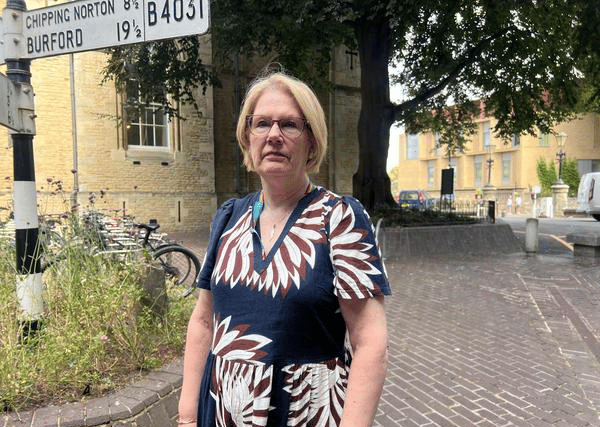

He said: “I don’t think any of us want to be here – it’s a decision none of us want to take.
“I think we and the public need to be prepared for the fact that there will be difficult decisions in other areas as well in the years to come.
“We have an obligation to provide a balanced budget, and that does mean taking difficult decisions.
“This is the first one of those.”
Shadow cabinet member for adults, Imade Edosomwan, said: “I’m worried about the future because nobody knows what’s coming.
“Hopefully, this might just be the worst.
“Hopefully, but I don’t know what’s coming, to be honest with you.
“Today [July 28] is not a good day.
“It’s not a good day for people who should be treated fairly.”
He questioned if a political “blame game” was underway when “residents and disabled people should be number one”.
Mr Edosomwan was particularly concerned about whether the cuts had been “rushed” through without proper consultation, and whether other savings options had been explored.
Shadow reorganisation and HR boss Glynis Phillips said: “There’s no need for these cuts.
“There are alternative ways to find the money needed, and we think they should do more to challenge the costs charged by residential care owners.”
She questioned why transport charges, for people going to day centres, were going to be shouldered by “the vulnerable people of Oxfordshire,” not the “millions of pounds from the congestion charge fines”.
She said these points will be raised by the Labour group in a budget debate.
A spokesperson for the county council did not reveal where future cuts will be made.
They said: “The council won’t first propose a budget for 27/8 until late autumn and will not set one until February 2027.”
Tuesday’s decision is set to cut back £1.8 million of the council’s current £330 million social care budget – around a 0.5 per cent saving for the service.
It will see Disability Related Expenditure (DRE), a percentage of benefits left to people after paying for social care for living costs associated with disability, cut from 35 per cent to 25 per cent.
At the same time, £10-a-day charges for care organised transport fees and an increase in the cost to use independent living technology by more than 50 per cent, with a £9.87 weekly fee, will be introduced.
The cost of this to those impacted has been described by carers, people with disabilities and campaign groups.
Canio Santoliquido is an unpaid carer for his siblings.
He worries disabled residents and their carers may “suddenly discover” they are expected to pay more to the county council and “probably just accept it”, not realising it could be challenged or as they are “afraid of maybe losing the care”.
He said: “It’s going to impact people who aren’t fully aware of what’s been what decisions have been made, you know, without having had them fully involved in the consultation, because I don’t think that this consultation has been very accessible.”
Canio questioned why this measure had been chosen by a Lib Dem administration, given the national party’s stance on free home care.
He said: “They had certain principles and values that they said at the last general election”.
Letters and an online consultation were sent to around 4,000 people in the social care service.
A council report said: “The consultation was designed to provide respondents with sufficient information, time and opportunity to understand the proposals and to express their views to be considered as part of any final decision-making processes.”
Canio explained the proposals were not described to people face to face, despite some of those receiving it having cognitive disabilities.
He said there had been video calls, but from what he saw, these were poorly attended.
Around 500 people responded to the consultation and a majority thought the cuts were “not reasonable”.
The council said people who are unable to cope with the cut to the DRE will be able to apply for individual assessments.
Someone who had used the assessment mechanism to challenge care charges before was Zoe Williams, a member of Unlimited Oxfordshire, a disability support organisation.
She said she had applied for this last year after her social contribution rose from £18 to £70.
Zoe described the process, saying it “cost” her “14 weeks, during which time I was paying more than I could afford, 50 emails, 87 receipts, 49 files, and multiple phone calls, all while battling through chronic headaches and cognitive difficulties”.
Jackie O’Sullivan, executive director of strategy and influence at learning disability at Mencap support and campaign group, said: “People with a learning disability already face significant additional costs in their day-to-day lives and are more likely to experience financial hardship.
“Charges for transport, telecare and changes to disability-related expense support may seem modest in isolation, but together they risk placing further pressure on people already struggling to make ends meet.
“These services are not luxuries. They help people stay connected to their communities, maintain their independence and access the support they need.”