
Banbury's hospital is vitally important to patients from several counties, says MP
Banbury's hospital is vitally important to patients from several counties and a masterplan must be drawn up for it, MP Sean Woodcock says.
Mr Woodcock added his voice to those appealing for investment and commitment to the Horton General Hospital by those in charge of health services for Oxfordshire and beyond.
He sent a statement to the Oxfordshire Joint Health Overview and Scrutiny Committee (HOSC) last week calling for a site-specific masterplan for the Horton, a clear vision for the mix of services it will provide over the coming decades and greater use of the site for appropriate elective, diagnostic and acute care.
And he called on the Oxford University Hospitals Trust (OUH) and Thames Valley Integrated Care Board (ICB) to ensure workforce and infrastructure strategies are developed to reflect population growth.


In his statement he said: “The Horton is dear to everyone in Banbury. But it serves communities beyond the town itself extending into Northamptonshire, Warwickshire, Gloucestershire and Buckinghamshire, as well as North Oxfordshire.
"For many residents, it is the nearest and most accessible acute hospital. Any consideration of its place within the NHS must therefore recognise its significance beyond the immediate Banbury area.
“The hospital is also a key asset within the county's health infrastructure. At a time of sustained pressure on the John Radcliffe Hospital, there is a compelling case for making greater use of the facilities and expertise available in Banbury.
"Providing more treatment closer to patients' homes can improve access, reduce travel burdens and help manage demand across the county.”
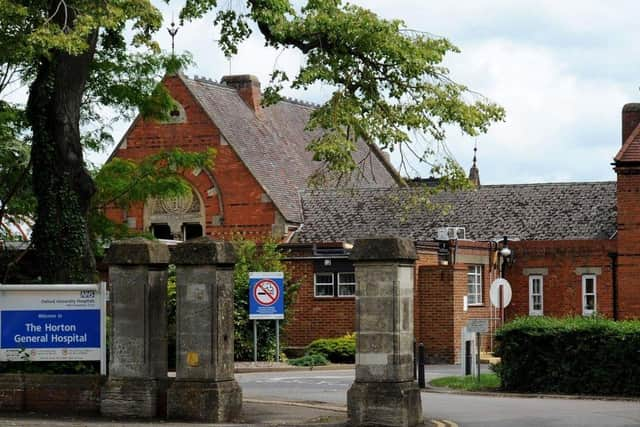
Mr Woodcock said he recognised no district general hospital could provide every service – with some specialist, acute services having to be provided centrally - and he acknowledged limitations on finance. However he questioned whether the Horton had been given the opportunity to make ‘the fullest possible contribution to patient care’.
“This becomes even more important as housing growth continues across the area served by the hospital. As communities expand, healthcare provision must evolve alongside them,” he said. “Any discussion about the Horton's long-term position must also acknowledge the relationship between local communities and the organisations responsible for planning and delivering services. “The (HOSC) Committee will be aware of the strength of feeling surrounding the Horton. Decisions taken over many years, particularly the withdrawal of consultant-led maternity services in 2016, have left a lasting impression on residents.
"Whatever view is taken of those decisions, many people remain sceptical that commitments to the area will be matched by action. “Subsequent maternity failings by OUH have only heightened those concerns. Consequently, there remains a clear disconnect between the assurances offered by healthcare leaders and the confidence felt by members of the public.
"Rebuilding that confidence will require a visible demonstration that the Horton is valued as an integral part of healthcare provision in the region,” said Mr Woodcock.
"The issue is about recognising the Horton's importance to communities across several counties, making the best use of NHS capacity at a time of significant pressure on the John Radcliffe and restoring confidence among residents who want certainty about the services available to them. “The Horton has a vital contribution to make in each of these areas, and I hope the Committee will give careful consideration to its place within the region's healthcare provision,” he said.