
Drivers in Oxfordshire could become the first outside London to face a pavement parking ban
Oxfordshire has moved forward with plans that could see it become the first place in England outside of London to ban parking on pavements.
The county council cabinet has voted in favour of “preparatory work” for enforcement ahead of powers being granted to the council by the Government.
Previously, devolved authorities in Scotland and London have banned pavement parking, with Edinburgh becoming the first Scottish city to see the rule brought in.
In January of this year, the Government under Keir Starmer announced that it would be expanding powers for councils to introduce local bans, and primary legislation was passed.
Oxfordshire County Council’s cabinet has now voted to move forward with its plans for future enforcement when those powers come forward through further legislation and regulation.
It follows a June full council motion seeking authority to address “pavement, path and verge parking” due to the impact it can have on pedestrians and other highway users.
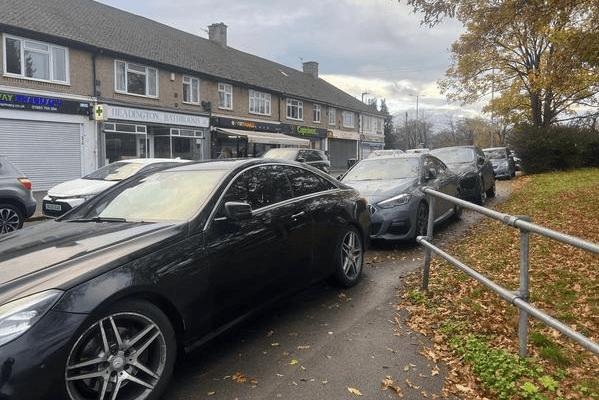

Speaking at the meeting for the Coalition for Healthy Streets and Active Travel, Robin Tucker described large cars and vans as “creeping” onto “the last safe space for people”, the pavement.
He said: “Our pavements, paths and verges are the most basic mobility facility remaining, and yet attempts to defend them, even these from encroachment, are attacked as anti-motorist or a war on cars.
He said this comes “straight from the playbook of the tobacco sector”.
Mr Tucker added: “Where road space is limited, pedestrians, cycling and then public transport come before the convenience of private car storage on public land.”
Previously, concerns had been raised about the pavement parking ban planning, with county Conservative leader and West Oxfordshire Councillor Liam Walker warning: “Before any restrictions are introduced, the county council should look at where residents would actually be able to park and secure the support of the parish or town council and the local county councillor.
“We cannot have Oxford-centric, anti-motorist policies imposed as a one-size-fits-all approach across Oxfordshire.
“What works on a city street may make life harder in a village.”
The council’s report had outlined this, stating that there are historic parking schemes which have “incorporated footway parking as part of the intended design of the parking arrangement where carriageway widths are constrained, and off-street options are unachievable”.
It said: “Any future introduction of wider pavement parking enforcement powers would therefore need to take a case-by-case approach.”
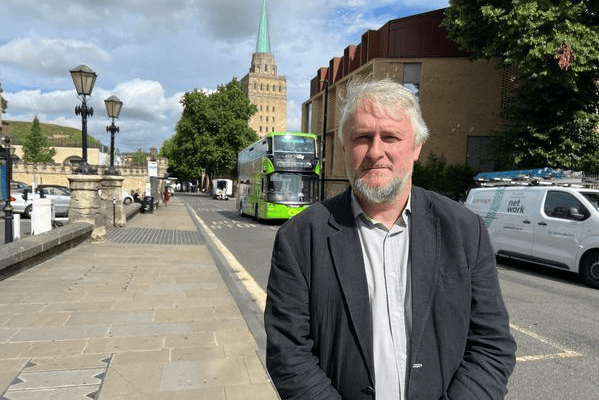
Oxfordshire Liveable Streets campaigner Danny Yee said: “We support a ban on pavement parking. We think it should have no exemptions, or that any exemptions should be clearly marked exceptions.”
Transport boss Gareth Epps said: “Pavements are for people – they’re not for cars.
“Yet we have a number of locations across the county where a minority of drivers think that they have the right to park their vehicle wherever they like.”
He called this a “massive inequality issue” for “pedestrians and particularly some of our most vulnerable road users, people in wheelchairs, elderly people, parents or carers pushing children in buggies or, for that matter, shopping”.
Responding to the call for a no-exemptions ban, Mr Epps said he expected there would be cases for exemptions in the policy, especially given the nature of Oxfordshire as a “rural county”.
He also called for clarity on when the powers would be given by the Government, something council leader Tim Bearder said he was enquiring about “enthusiastically,” adding that he would want to know about funding and whether the county could increase fines on penalty charge notices.
Mr Bearder complained: “We haven’t been able to put up the charges for decades, which means that you can just dump your car and the fine doesn’t really match the crime.”