
Fears over ‘anti-motorist policies’ as Oxfordshire considers pavement parking ban
Oxfordshire County Council is set to consider a ban on pavement parking, but concerns have been raised that the policy could be imposed without proper local consultation.
Plans to seek powers to ban and fine for pavement parking in Oxfordshire face a call for local consultation amid fears that “Oxford-centric, anti-motorist policies” could be imposed.
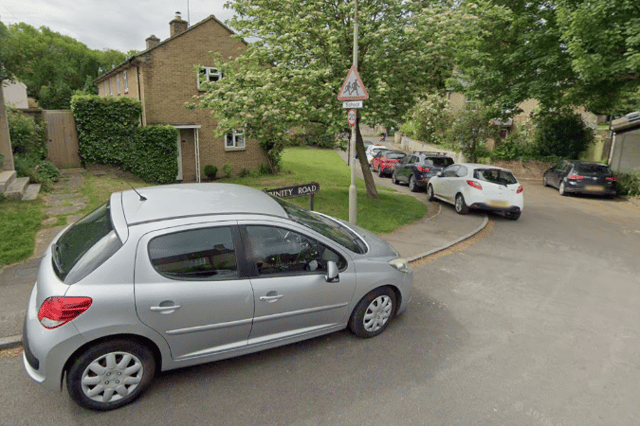

A council report recommends the county cabinet vote that officers progress with “preparatory work” for enforcement next week.
This work would be ahead of the highways authority being granted powers over pavement parking by Government.
The report follows a full council motion seeking authority to address “pavement, path and verge parking” due to the impact it can have on pedestrians and other highway users, which was passed in June.
As plans move forward, leader of the Oxfordshire Alliance group, county and West Oxfordshire councillor, Liam Walker (Conservative) has called for consultation commitments.
He said: “Everyone should be able to use the pavement safely, including wheelchair users and parents with pushchairs. But in many of our villages, roads are narrow and plenty of homes have no off-street parking.
“The officer’s report rightly recognises that each street needs to be assessed on its own merits.
“I want Cabinet to give that commitment some teeth.
“Before any restrictions are introduced, the county council should look at where residents would actually be able to park and secure the support of the parish or town council and the local county councillor.
“We cannot have Oxford-centric, anti-motorist policies imposed as a one-size-fits-all approach across Oxfordshire.
“What works on a city street may make life harder in a village.”
The council report said: “Historically, some parking schemes and Controlled Parking Zones within Oxford, including Magdalen North and Magdalen South, have incorporated footway parking as part of the intended design of the parking arrangement where carriageway widths are constrained and off-street options are unachievable.”
It adds: “Any future introduction of wider pavement parking enforcement powers would therefore need to take a case-by-case approach, considering whether existing arrangements remain appropriate in light of local circumstances, accessibility objectives and parking needs.”
Conservative county and Vale of White Horse councillor Lee Evans had previously called for this in the June debate, with concern about rural roads.
Leader of Vale of White Horse District Council and Lib Dem county councillor, Bethia Thomas, had put forward the motion with the plans for the county to ban the method of parking.
She said residents in her ward had been “pushed” into the road trying to manoeuvre around parked vehicles, and described fears for a “serious incident” on the roads.
A spokesperson for the county council said: “The problem of selfish drivers blocking pavements, paths and verges is something that many residents want addressing.
“Further government legislation would be required to make it an offence.
“Cabinet looks forward to discussing this matter in detail when it meets on Tuesday, including how any future enforcement regime would need to strike an appropriate balance between accessibility, safety, parking provision, and network management objectives.
“There can’t be one solution for the whole county, and locally-informed solutions are going to be essential.
“What might work in Oxford might not work in one of our historic villages.”