
Adult social care in the Brackley and west of Northants 'requires improvement'
Adult social care in West Northamptonshire 'requires improvement' according to a new rating by the Care Quality Commission – in spite of spending £20.253 million more than planned.
The West Northants Council (WNC) area includes Brackley, Byfield, Woodford Halse, Middleton Cheney and King’s Sutton. The CQC published its latest report at the end of January.
WNC said in response: “The assessment is an independent baseline for improvement and reflects both the significant progress made since WNC formed as a unitary Council in 2021 and the challenges that remain nationally.”
The CQC inspectors said people had mixed experiences accessing care, some got assessments quickly, while others faced long waits and struggled to get through by telephone.
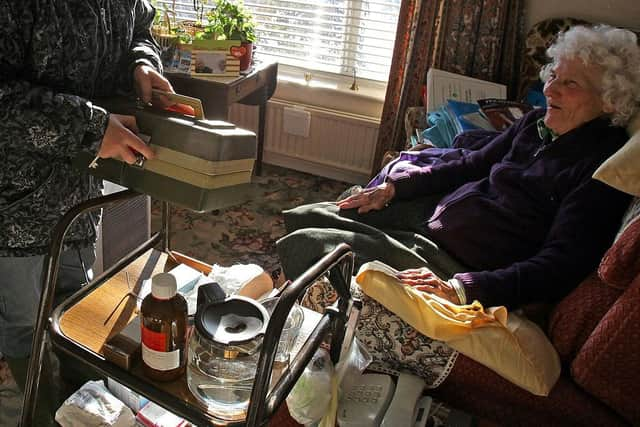

Most felt listened to during assessments and said staff were respectful, person-centred and included their family and unpaid carers. Some carers said they weren’t offered assessments or didn’t know if they’d had one; many found the carers service hard to reach during a crisis.
People appreciated support which helped them stay independent, like reablement, assistive technology and community services, but waiting times for equipment and occupational therapy were often long. People with complex needs sometimes faced delays before receiving care and support, especially in rural areas.
Some people felt unclear about their rights or found information hard to access, especially if English wasn’t their first language. Unpaid carers valued respite and direct payments when they got them, but many said the process was slow and confusing.
People said transitions between services were sometimes well-coordinated - others experienced delays, poor communication, or felt unsupported. Overall, many felt safe and respected, but there were gaps in consistency, responsiveness, and equity especially for those with less visible needs or living in rural areas.
Staff took a strengths-based approach, and most assessments showed good practice. People said they felt listened to, involved in decisions, and treated with respect. However, annual reviews didn’t always happen on time, and changes to the data system led to gaps in reporting.
Leaders had started fixing problems in the data and set up focused checks to examine how care homes were doing.
Carers’ assessments had started to improve, but some carers still hadn’t been offered one or weren’t sure if they’d had one. These were carried out alongside the person’s own assessment, with prompts built into the new case management system in support.
WNC had worked with partners and communities to develop a Prevention Strategy and invested in services helping people stay independent such as reablement, assistive technology and social prescribing.
People responded well to initiatives such as the Falls Management Toolkit and the Wellbeing service. Staff received more training, and leaders improved how they captured data and linked early contact with longer-term planning. They also updated performance measures to focus more on prevention and introduced targeted support for carers.
WNC developed tailored services and worked with diverse groups, but some gaps remained, especially in rural areas support for autistic people and culturally appropriate care. Transport and digital barriers also made it harder for some to access services.
Leaders had plans to expand outreach, improve cultural competence and embed inclusive design principles. They were committed to improving representation, and access to underserved areas.
Mental health and autism support in West Northamptonshire faced significant challenges, including limited rural access, long waits for diagnosis and gaps in culturally responsive care.
Staff and leaders highlighted workforce pressures, inconsistent crisis response and difficulties in managing complex risk, particularly in transitions and prison release planning.
Systemic issues such as funding disputes, lack of dedicated autism frameworks and unequal outreach contributed to variable experiences and outcomes, with seldom-heard groups and rural communities disproportionately affected.
Partnerships with health and voluntary organisations were strong and joined-up discharge models helped people return home safely from hospital. Reablement services were appreciated, but delays in therapy and equipment affected outcomes. People with complex needs, especially in rural areas, often waited longer for care.
Leaders responded by introducing trusted assessors, weekend work and agency staff to speed things up.
Safeguarding systems were strong with clear triage processes, assurance teams, and good partnership working. Most said they felt safe, and staff responded quickly to their concerns. However, delays in Deprivation of Liberty Safeguard authorisations remained a problem, with some people waiting nearly a year.
Staff used risk-based prioritisation and looked at technical solutions to speed up the process. Leaders increased staff training and promoted advocacy with staff to support them to help people understand their rights and stay involved.
WNC estimated it would spend £139.352m of its total budget on adult social care in 2023/24. Its actual spend was £159.605 million, £20.253m million more than planned.
Approximately 4905 people were accessing long-term adult social care support, and approximately 1385 people were accessing short-term adult social care support in 2023/24.
WNC said the council was just 4% below “Good”. Three areas were Good: safeguarding (75%), partnerships and communities (69%), and learning improvement and innovation (63%). The remaining six areas were rated Requires Improvement.
It said: “The report highlights a number of strengths across adult social care in West Northamptonshire, including: strong and effective safeguarding systems, supported by clear triage processes, partnership working and assurance structures; positive experiences for people receiving assessments, with care delivered in a person-centred, strengths-based way; good practice around equality, ensuring people feel respected, heard, and included in decisions about their care; strong relationships with health and voluntary sector organisations, supporting safe hospital discharge and prevention work and innovation and investment in areas such as reablement, digital technology and falls prevention.
“The assessment identifies areas for improvement, with several that are related to wider national pressures – delays in annual reviews and inconsistent carers’ assessments; gaps in rural access, autism support and culturally responsive care; workforce pressures and challenges within mental health pathways and delays in NHS Continuing Health Care processes and equipment provision.”
WNC is already acting on these findings, with many developments recognised by the CQC in its report, it says.