
Government confirms plans to abolish Oxfordshire's county, city and district councils are moving to 'next stage'
The abolition of Oxfordshire’s county, city and district councils is moving forward into its “next stage”, a Government department has confirmed.
On July 16, the last day of parliament sitting before the summer recess, the then Secretary of State for Housing, Communities and Local Government, Steve Reed, confirmed ‘reorganisation’ plans for the county’s authorities.
The Labour-run city council’s proposal to split the county and West Berkshire into three unitary authorities had been chosen by the Government.
Replacing the two-tier county and district system, the new Greater Oxford, North Oxfordshire and Ridgeway councils will take over all powers split between the current authorities.
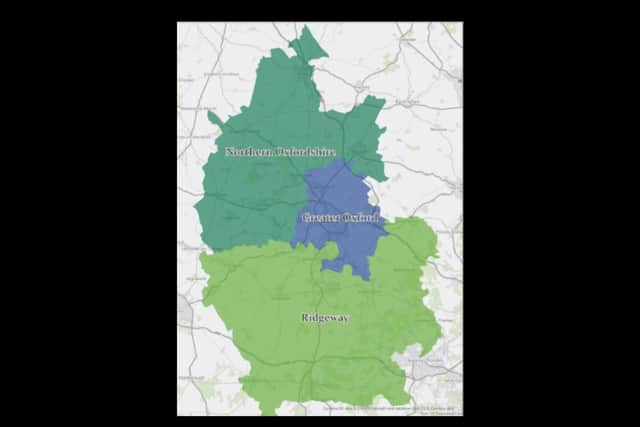

The announcement has met mixed reactions, including calls for its retraction by county leader Tim Bearder, who urged Prime Minister Andy Burnham to reverse the decision made under his predecessor, Sir Keir Starmer.
Following this, the Ministry of Housing, Communities & Local Government confirmed the reorganisation was still set to go ahead.
Now, it has confirmed a Monday, August 17 deadline for information to be shared by Oxfordshire and West Berkshire councils was met with a joint response, and it is “now considering the material provided as part of the next stage of work to implement local government reorganisation in the area”.
A letter shared with the chief executives of Oxfordshire and West Berkshire councils had explained “additional information” was needed from the local authorities to enable timely elections, £900,000 funding for the creation of new councils and “the next steps in the process”.
The next step will be a structural changes order – this will formally “establish the new councils and abolish the existing councils”.
The current councils will remain in place until April 1, 2028, but there are also set to be shadow authorities for the new councils created in April 2027 following elections.
These will prepare and carry out the functions of new unitary councils until those authorities come into effect.
A draft order abolishing the current authorities is expected to be shared in September, and it will give legal names to the councils, although these could be changed in future.
The order will need to be passed in parliament – this is expected to happen and come into force in 2027.