
‘Scary’ 191mph crash for Haas driver Oliver Bearman confirms worst fears in new F1 regulations

Oliver Bearman walked away from his terrifying 191mph crash at the Japanese Grand Prix with merely a right knee contusion, however it could have been so much worse for the British driver.
Bearman, of the Banbury-based TGR Haas F1 Team, had to take swerve to avoid Franco Colapinto at the Spoon Curve, before he went off the track and hurtled into the barriers, sustaining a 50G impact.
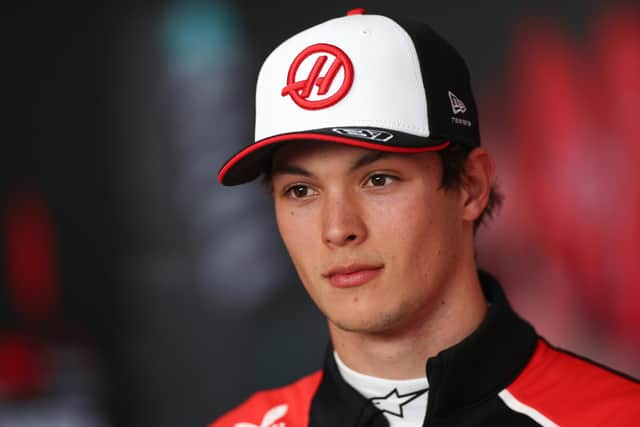

It was a crash which bore no blame to either driver, but rather the dramatic speed differences caused by F1’s new hybrid engines.
As each car has a fixed amount of recoverable energy each lap, there are often different approaches to where it is best on track to recharge the battery. You’ll see contrasting methods up and down the paddock, and they can vary throughout races.
In Suzuka, Colapinto’s Alpine was harvesting into the Spoon Curve at the very moment Bearman, opting for other parts of the lap, was catching from behind at a significantly higher speed.
Alpine had been particularly aggressive in cutting MGU-K and power ahead of the Spoon Curve, much earlier than the likes of Racing Bulls ahead and Bearman behind.
Drivers have repeatedly raised safety concerns over the new 2026 regulations, only to be ignored. And now their worst fears have been confirmed, with Bearman lucky to escape serious injury in Suzuka.
“Everything is good, I’m absolutely fine,” Bearman assured after the race.
“It was a really scary moment that happened out there but everything is okay, which is the main thing.
“Adrenaline is wearing off, it's going to be a long trip home, but I'm absolutely fine.
“The car is a bit worse for wear. I can only apologise from the bottom of my heart to the team for that because it's a lot of work for them.”
On conversations held before the Japanese GP, Bearman added: “It’s something that we talked about on Friday with the other drivers and the stewards that we need to be a bit more lenient, a bit more prepared before of the huge deltas in speed.
“I think as a group, we warned the FIA what can happen and this has been a really unfortunate result of a massive delta speed we’ve not seen before in F1 until these new regulations.”