
Mental health wards for Oxfordshire children downgraded to 'requires improvement'
Mental health wards for Oxfordshire children have been downgraded to 'requires improvement’.
The Care Quality Commission (CQC) has changed the rating of the inpatient child and adolescent mental health (CAMHS) wards at Oxford Health NHS Foundation Trust from good following an inspection in November 2025.
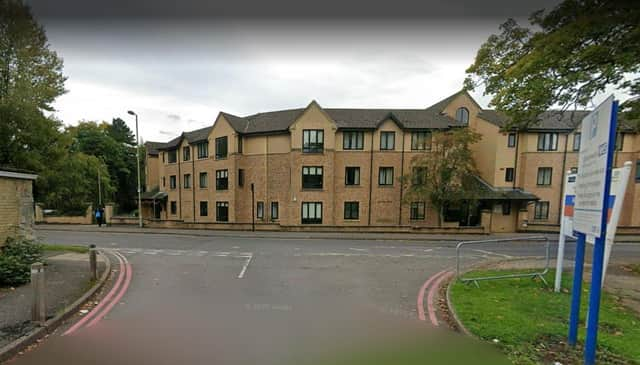

The CQC inspected the trust’s inpatient CAMHS wards – the Meadow and Highfield units at Warneford Hospital, Oxford and Marlborough House, Swindon.
The inspection was carried out without prior announcement following information of concern it had received.
Inspectors found the service was in breach of four regulations relating to person-centred care, safe care and treatment, safeguarding and safe management.
Following inspection, CQC has changed the ratings for safe, responsive and well-led from good to requires improvement. The ratings for caring and effective were rated good again.
Serena Coleman, CQC deputy director of mental health in the South, said: “We found a service where management hadn’t kept a firm enough oversight on some issues and young people in their care were feeling the impact of that.
“All of the young people we spoke with said they didn’t feel involved in decisions about their own care. Half of the care plans we reviewed were generic and didn't reflect individual needs or wishes.
“We had serious concerns about how restraint was being used. Records didn’t always show staff had tried other approaches first, and two young people reported negative experiences during restraint.
“Blanket restrictions were also in place across all three wards meaning every young person was subject to rules around accessing snacks, drinks and outdoor space, regardless of their individual circumstances or risk level. These are the kinds of restrictions that should only be applied to individuals, when there’s a clear reason to do so.
“What makes these findings more concerning is that the trust's own internal processes hadn’t identified many of them, risking that these concerns will go unaddressed.
“However, we also found staff worked well together across different disciplines and we observed many warm and respectful interactions between staff and young people throughout our visit.
"Carers spoke positively about the service and the support available for young people’s physical wellbeing including gym access, yoga and weekly wellbeing clinics was good. At Marlborough House, staff had developed an innovative nature-based therapy programme in collaboration with a local Wildlife Trust.
“The (mental health) trust knows where it needs to improve and we will monitor them to make sure young people are safe while this happens.”
Inspectors found:
The service gave medication to four young people detained under the Mental Health Act without the correct treatment authorisation in place, putting them at risk of receiving inappropriate treatment.
Staff did not regularly remind young people detained under the Mental Health Act of their rights. Eight young people across two wards hadn’t had their rights repeated to them since admission, one of them for six months.
The trust’s own management and audit processes failed to identify many of the concerns found during the inspection, including issues with care plans, blanket restrictions and medicines, meaning problems weren’t being addressed.
Inspectors also found: Staff worked well together in multidisciplinary teams across all three wards, giving young people access to a wide range of professionals.
Carers gave positive feedback about the service. The report will appear on CQC’s website in the coming days.