
Ambulance service that covers Banbury area makes progress but still 'requires improvement' in emergency and urgent care
Inspectors say the South Central Ambulance Service NHS Foundation Trust’s emergency operations centre has made significant progress, but the trust still requires improvement to emergency and urgent care services.
In 2022, inspectors from the Care Quality Commission (CQC) rated the trust as ‘inadequate’ after checks were made into the quality of healthcare services, governance and training.
Last month, the CQC published a report detailing the findings from inspections of the trust’s emergency operations centre and emergency and urgent care services conducted between May 6 and May 8, 2025.
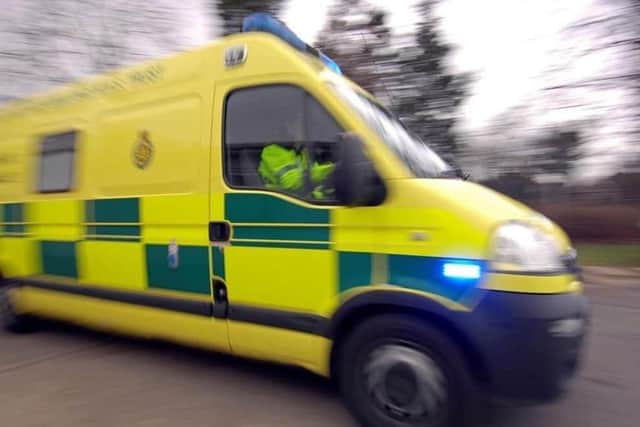
The latest inspections found the service, which provides ambulances to around six million people across Berkshire, Buckinghamshire, Hampshire and Oxfordshire, had made some improvements but the overall rating for the trust remains as ‘inadequate’.

CQC’s deputy director of hospitals, secondary and specialist care in the South East, Amanda Williams said: “When we inspected South Central Ambulance Service NHS Foundation Trust, we were pleased to find the service had made important improvements since our last inspection, and that the requirements of the warning notice we previously issued had now been met.
“In the two emergency operations centres, we found staff understood the emotional impact that delays had on people’s wellbeing. They were well trained and responded professionally to help people receive the care they needed.
“The service was performing well at answering 999 calls, and staff could access interpretation services in 240 languages to support people.”
These findings meant that the CQC upgraded the trust’s emergency operations centre service rating from ‘requires improvement’ to ‘good’.
The inspectors also found the trust had made some developments in response times, but its emergency and urgent care services still require improvements.
It found there was a lack of understanding regarding structures and processes between staff and confusion over medicine management training.
Amanda Williams said: “In emergency and urgent care, we saw leaders had introduced an innovative ‘release to respond’ initiative, which enabled ambulance crews to safely leave hospital emergency departments within a 45-minute window, allowing them to respond to people in the community.
“This initiative made a significant difference to response times. The time taken to reach someone who called 999 with an emergency dropped from 38 minutes in October 2024 to 22 minutes by March of this year.
“However, there are still areas for development. We found the service didn’t always manage medicines safely. Ambulances sometimes went out without morphine to treat people in pain. The pharmacy team was aware of the issue and had written guidance to address it, but this still hadn’t been implemented months after the concern was raised. As a result, people didn’t always receive the pain relief they needed.
“Despite expanding its freedom-to-speak-up team and appointing champions, the trust still left some staff feeling unable to raise concerns. This lack of openness can harm the quality of care, so the trust must continue to improve its culture.”
This resulted in the trust’s emergency and urgent care services being given a ‘requires improvement’ rating by the CQC.
The CQC has now asked the trust to provide an action plan in response to the concerns raised by the inspectors.
To view the full report, visit:https://www.cqc.org.uk/provider/RYE