
Concerns raised over plans to house asylum seekers at Bicester MOD base
A charity that supports refugees and people seeking asylum in Oxfordshire has raised concerns over the Home Office’s plans to house asylum seekers at a Ministry of Defence base in Bicester.
Oxford-based charity Asylum Welcome has warned that placing potentially up to 1,200 asylum seekers at the base risks isolating them from the wider community.
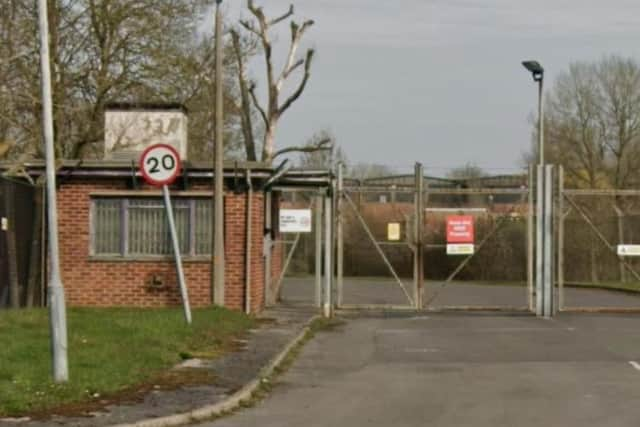

The charity, which has supported asylum seekers for more than 30 years, is urging ministers to prioritise housing people within communities rather than on large-scale sites.
Joint chief executive Dr Hari Reed said accommodating asylum seekers at sites such as MOD Bicester could make integration even more difficult than housing them in hotels.
She said: “We understand the government's ambition to reduce reliance on hotels. However, we believe large-scale accommodation on isolated military sites risks being even more damaging.
“It moves people further away from the support they need, makes successful integration harder and increases the risk of community tensions.
“We want an asylum system that is fair, efficient and works well for local communities. In our experience, this starts by recognising that people seeking safety are future neighbours. The accommodation we provide should help them become part of our communities, not keep them apart.”
The charity said people housed on former military sites could struggle to access healthcare, legal advice and the National Referral Mechanism, which identifies victims of human trafficking and modern slavery.
Dr Reed said: “We know from experience that asylum seekers need timely access to legal advice, healthcare, education and specialist support, as well as opportunities to build relationships within the communities around them.
“Housing hundreds of people together on a military site will increase isolation and psychological harm. It will make it much harder for voluntary organisations, legal representatives and statutory services to provide the support that people need.
“If people are isolated and disconnected, it makes it much harder for them to move on successfully when they are granted refugee status.”
Asylum Welcome also warned that large-scale accommodation sites can become flashpoints for protests and misinformation, creating anxiety for local communities and those housed there.
Dr Reed added: “People seeking asylum have no control over where they are accommodated, yet they often find themselves at the centre of public debate and must bear the consequences of decisions made on their behalf.”